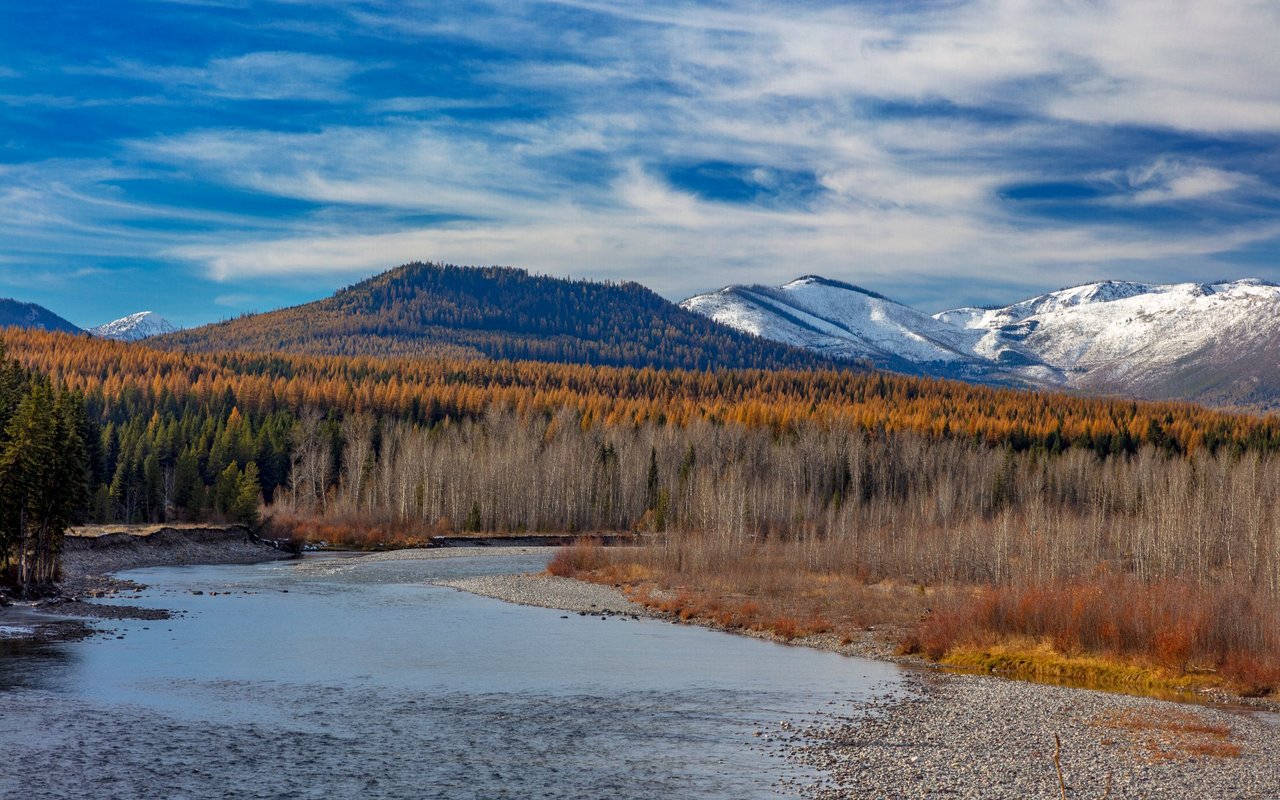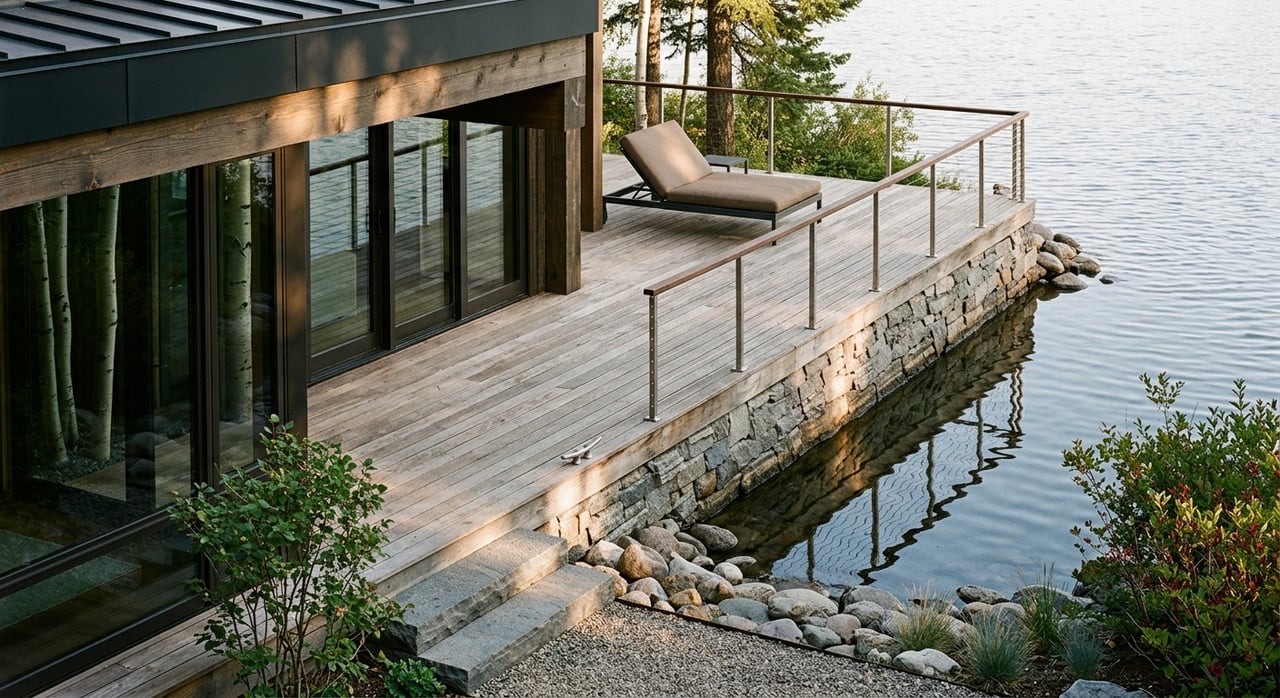
Buying a waterfront or view home around Polson can feel simple at first glance. You see the lake, the mountains, and the kind of setting that makes you want to move fast. But in this part of Western Montana, a beautiful property also comes with important questions about frontage, permits, floodplain rules, seasonal lake levels, and which local agencies may have a say. This guide will help you understand what to look for, what to ask, and how to make a more confident decision before you write an offer. Let’s dive in.
Why Polson Waterfront Buying Is Different
Polson sits in a uniquely layered setting within Lake County. According to Lake County, it is the only Montana county seat on an Indian Reservation, and the county identifies Polson as the county seat while Lake County is home to the Confederated Salish and Kootenai Tribes and the Flathead Reservation.
For you as a buyer, that means waterfront research goes beyond the usual questions about views and lot lines. Depending on the parcel, you may need to understand which local, county, tribal, and floodplain rules apply to the property.
Lake County’s Planning Department handles zoning, building notification, lakeshore construction permitting, floodplain development and permitting, and property research. That is a strong sign that shoreline purchases in the Polson area often require more review than a standard residential purchase.
Know the Difference Between Frontage and Access
Not every home that looks waterfront is legally the same type of property. Around Polson, the difference between true frontage, shared access, and a view property can affect how you use the property and how you value it.
Lake County defines lakeshore and lake frontage by the lake’s mean annual high-water elevation, not the waterline you happen to see on showing day. For Flathead Lake, the county lists that elevation as 2893.2 feet Somers Datum, and the lakeshore protection zone includes land within 20 horizontal feet of the shoreline at that elevation.
That matters because a property may appear to have direct shoreline in late summer, but the legal shoreline, setback rules, or riparian boundaries may tell a different story. It can also affect dock options, shoreline work, and what improvements may be allowed.
What to Confirm Before You Buy
Before you move forward, ask exactly what kind of access you are buying. In practical terms, you want to know whether the property includes:
- True lake frontage
- Deeded lake access
- A recorded right-of-way
- Shared shoreline access
- Shared dock access
- HOA-based access to the water
- A view only, with no direct water rights or use
If you are comparing homes, this one detail can change the ownership experience in a big way.
What View Homes Offer Instead
If direct waterfront is not the right fit, a view home around Polson can offer a different kind of value. Many buyers prefer elevation, more privacy, and wider lake vistas over the responsibilities that often come with shoreline ownership.
Lake County’s subdivision review criteria show how seriously the area treats site design. The county considers scenic views, setbacks along waterways and riparian corridors, development outside flood plains, development off steep slopes, and leaving view corridors open for off-site property owners.
For you, that means a hillside or elevated lot deserves careful review beyond the view itself. A great outlook should be paired with practical questions about driveway grade, drainage, slope conditions, and what nearby parcels may allow in the future.
Questions for View-Lot Buyers
If you are considering a view property, ask about:
- Driveway steepness and year-round access
- Drainage patterns on and around the lot
- Slope stability and buildable area
- Setbacks that may shape future improvements
- Whether neighboring land could affect your current view corridor
Understand Lakeshore Rules Before You Fall in Love
Waterfront parcels near Polson are often more regulated than inland homes. Lake County’s lakeshore rules are designed to protect shoreline stability, water quality, wetlands, navigation, and scenic character.
Those rules also state that domestic sewer lines or components are prohibited in the lakeshore protection zone. That can matter if you are looking at an older property, a lightly improved lot, or a parcel where you hope to expand or rebuild over time.
Docks, boat shelters, boat lifts, waterlines, and related shoreline features are also regulated. You should not assume existing improvements were approved just because they are already in place.
Why Permit History Matters
One of the smartest things you can do is verify permit history for shoreline improvements. That includes checking whether features such as docks, lifts, or shoreline work were properly permitted or registered where required.
This step can help you avoid surprises after closing. It can also clarify whether an improvement is compliant, restricted, or may need future review.
Check Wastewater, Water, and Site Conditions
Some of the biggest waterfront issues are underground, not visible from the deck. On larger lots or less developed parcels, subdivision and sanitation review can be just as important as the home itself.
Lake County says subdivision review checks whether lots have acceptable water-system and wastewater-system locations and stormwater plans. The county’s Environmental Health guidance also says wastewater systems must be designed by a Professional Engineer or Registered Sanitarian licensed in Montana.
If a site has groundwater or bedrock issues, the county may require groundwater monitoring. So if you are buying land, an older home, or a property you hope to improve, make sure the site supports your intended use.
Site Questions Worth Asking Early
Ask these questions before writing an offer or during your due diligence period:
- What wastewater system serves the property?
- Who approved the system?
- Is there documentation for the current setup?
- Are there known groundwater or bedrock concerns?
- Is there a stormwater plan if the parcel was subdivided or improved?
Floodplain Status Should Be a First-Step Review
Floodplain status is not a detail to save for later. Lake County’s floodplain regulations apply to mapped 100-year floodplain areas, and the regulations say property owners in the floodplain must notify potential buyers or their agents that the property is subject to those rules.
For you, that means floodplain review should be part of the title, inspection, and property research process from the beginning. It can influence how the property is used, improved, or financed, and it may affect the long-term ownership experience.
Even if the home feels elevated or dry during a showing, that does not replace formal floodplain review. A quick look at the site is never enough on its own.
Lake Levels Change the Ownership Experience
One of the most important things to understand about Flathead Lake is that conditions are not static. Energy Keepers says lake elevation depends on inflows, weather, electricity demand, and non-power constraints such as fishery and flood-risk management needs.
In plain terms, the shoreline can change materially over the year. That means the beach, dock access, swim area, and even day-to-day usability of the property may look different depending on the season.
Lake County’s lakeshore regulations say Flathead Lake is generally at low pool from December through April. The same rules say dredging is allowed only when the lake is at low pool.
Montana Fish, Wildlife & Parks adds a practical point on its Wayfarers page: the dock is unusable when the lake level is low and is typically high enough from mid-June through early September. For second-home buyers especially, that seasonal pattern matters.
Seasonal Questions to Ask
A property can be beautiful and still function very differently across the calendar. Ask questions like:
- How far does the shoreline retreat in low-water periods?
- Is the dock usable through late summer?
- When is the best window for swimming or boating?
- Can wind or wake action affect moorage or shoreline use?
- Are shoreline maintenance activities limited to low-pool periods?
These are the details that shape whether a home works for the lifestyle you actually want.
Ask These Questions Before Writing an Offer
A waterfront or view purchase around Polson deserves a more detailed checklist than a typical home search. The goal is not to make the process feel harder. It is to help you buy with clearer expectations.
Here are some of the most important questions to ask before you move forward:
- Is this true frontage, or is access shared, deeded, or neighborhood-based?
- Are there existing permits or registrations for docks, boat lifts, shoreline work, or waterlines?
- Is the parcel located in the 100-year floodplain?
- Does the lot support the intended wastewater system, and who approved it?
- If the property is on reservation waters or in the south half of Flathead Lake, do both county rules and CSKT shoreline rules need to be reviewed?
CSKT says its Shoreline Protection office enforces Ordinances 64A and 87A on Reservation waters. Lake County’s lakeshore regulations also reference Flathead Lake within the City of Polson jurisdiction and certain reservation waters. That is exactly why local property research matters here.
Why Local Guidance Matters in Polson
Around Polson, a waterfront or view property is never just about the postcard appeal. It is also about the durability of the access, the condition and status of shoreline improvements, the site’s physical limits, and the rules that may shape future use.
That is where experienced local guidance can make the process feel much clearer. When you have someone helping you look beyond the photos, you are better positioned to understand whether you are buying true frontage, practical access, a strong view, or a mix of all three.
Jen Clement brings long experience across Western Montana property types, including waterfront, land, luxury, and recreational homes. If you are exploring waterfront or view homes around Polson and want calm, informed guidance, connect with Jen Clement.
FAQs
What makes buying a waterfront home around Polson more complex?
- Waterfront purchases around Polson may involve county, local, tribal, and floodplain rules, plus added review for lakeshore permitting, zoning, and shoreline improvements.
What is the difference between true waterfront and deeded access in Polson?
- True waterfront generally means the parcel includes actual lake frontage, while deeded access means you have a legal right to reach or use the water without owning the shoreline itself.
Why does the high-water line matter for Flathead Lake property?
- Lake County defines lakeshore and frontage using the mean annual high-water elevation, which can affect legal shoreline boundaries, setbacks, and what uses or improvements may be allowed.
What should I check about docks and shoreline improvements near Polson?
- You should confirm whether docks, lifts, waterlines, boat shelters, and shoreline work have a documented permit or registration history rather than assuming existing features are fully approved.
How do seasonal lake levels affect Flathead Lake homes?
- Lake levels can change over the year, which may affect dock usability, shoreline access, swimming, boating, and the timing of maintenance or dredging work.
Why should view-home buyers ask about slopes and drainage around Polson?
- Elevated or hillside lots can offer great vistas, but driveway grades, drainage, steep slopes, and future neighboring development may affect usability and long-term enjoyment.